Menu


If you or your employee were not selected in the H-1B lottery, you may still have other immigration options. Depending on the employee’s current status, nationality, qualifications, employer, and long-term goals, possible strategies may include maintaining F-1 status, pursuing cap-exempt H-1B employment, exploring another visa category, beginning the green card process, or working temporarily outside the United States.
There is no single solution that works for everyone. The right approach may involve one option or several coordinated strategies.
The analysis should begin with three questions:
Some F-1 students may be able to continue working through Optional Practical Training, commonly called OPT, and enter the H-1B lottery again in a future year.
Students with an eligible degree may qualify for a 24-month STEM OPT extension. The employer must participate in E-Verify, provide a formal training plan, offer paid employment, and employ the student for at least 20 hours per week.
Curricular Practical Training, including Day 1 CPT, may also authorize employment in certain circumstances. However, CPT must be properly connected to the academic program. USCIS may examine CPT employment during a future visa or green card application.
Improper use of CPT could create serious immigration consequences. Students considering this option should obtain case-specific guidance before enrolling in a program or beginning employment.
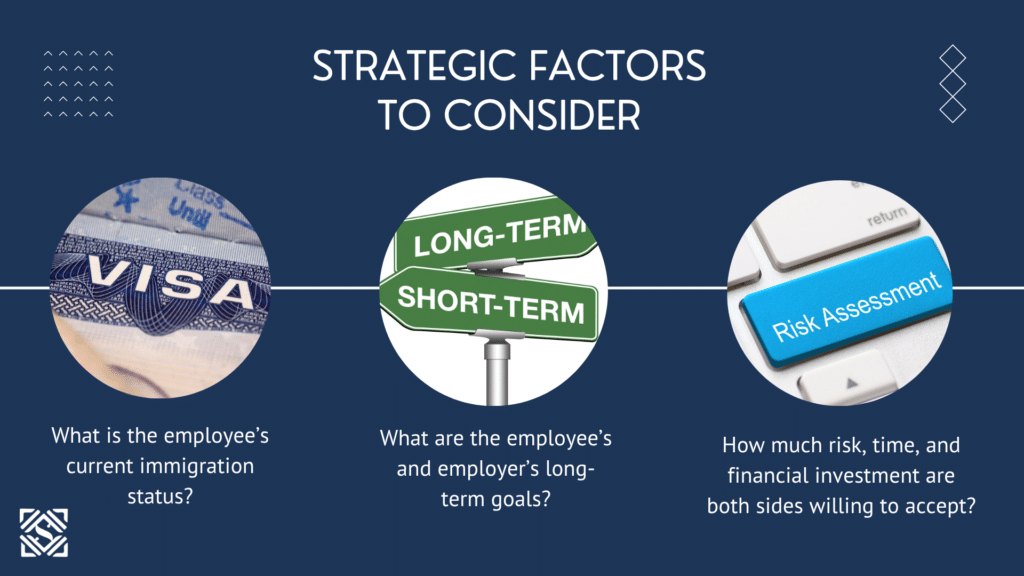
The appropriate strategy depends on the employee’s current status, long-term goals, and available resources
Certain employers may file an H-1B petition without participating in the annual lottery. Potential cap-exempt employers include:
Not every nonprofit or government organization qualifies.
In some cases, an employee may also hold concurrent H-1B employment, working for both a cap-exempt organization and a cap-subject employer. The cap-exempt position must be a genuine job that can be documented.
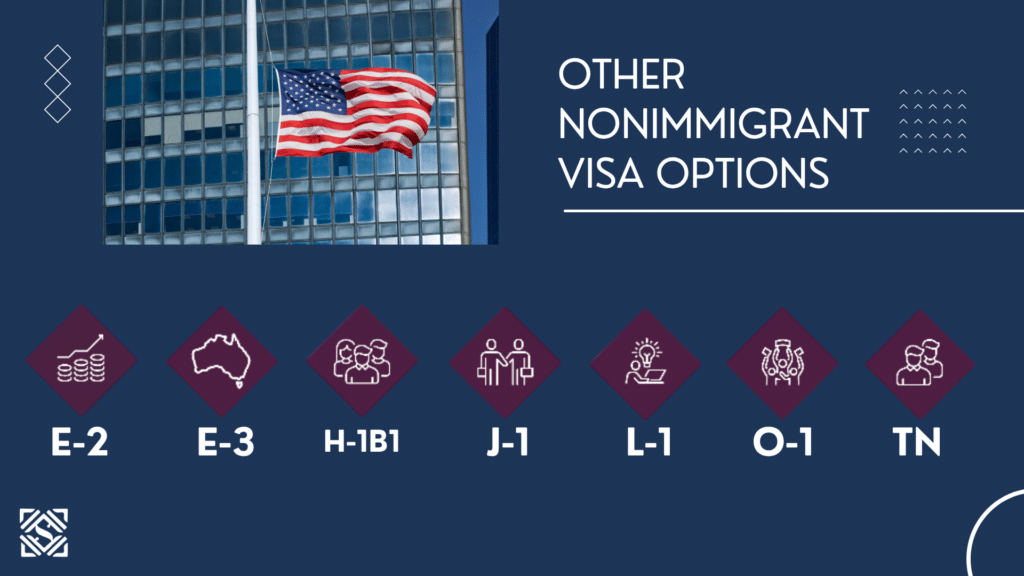
Nationality, occupation, employer structure, experience, and professional achievements may affect which options are available.
Another nonimmigrant visa category may be available depending on the employee’s citizenship, occupation, employer, experience, or professional accomplishments.
For example:
Each visa category has specific eligibility requirements. An option that works for one employee may not be available to another.
An employment-based green card may be part of a long-term strategy, but it is generally not an immediate replacement for H-1B status.
Potential pathways discussed in the webinar included:
The employee may still need another valid immigration status or source of work authorization while the permanent-residence process continues.
Green card timing also depends on the employment-based category, priority date, and the employee’s country of birth. The Department of State’s Visa Bulletin determines when a green card is available.
In some situations, an employee may work outside the United States while the employer pursues a longer-term immigration strategy.
Possible approaches include:
Employers must also consider payroll, tax, employment-law, and foreign work-authorization requirements. An employer of record may help manage some overseas obligations, but the provider should be carefully evaluated.
Start with an honest conversation about the employment relationship, the employee’s goals, and what the employer is prepared to support.
The next step is to consult with an immigration attorney who can evaluate the employee’s specific circumstances, identify realistic short-term and long-term options, and craft a practical strategy for moving forward.
When not selected in the H-1B it can require flexibility, but employers and employees may have several paths to consider.
Were you or your employee not selected in the H-1B lottery?
Our immigration team can help you evaluate potential H-1B visa alternatives based on your specific circumstances.
This article is provided for informational and educational purposes only and does not constitute legal advice. Immigration options are case-specific.
If you are not yet a Sumner Immigration Law client and you’re looking for an experienced, empathetic, and efficient team to help you navigate the process with confidence, please contact us today to set up your initiation consultation to get the process started! You can set an appointment online. You can also call us at 804-214-7870 or send us an email at info@sumnerimmigration.com.


© 2026 Sumner Immigration Law, PLLC | View Our Disclaimer | Privacy Policy